
GFCI Protection
Where Should GFCI protection plugs be installed?
GFCI plugs are specially made plugs to provide better protection from being harmed by electrical failures. So where should you put them to use them the best? Let's reference InterNACHI for a little information on this.
.
2015 International Residential Code (IRC) Requirements for GFCIs and AFCIs
Please refer to Section E3902 of the 2015 IRC that relates to GFCIs and AFCIs.
GFCI protection is recommended for the following:
15- and 20-amp kitchen countertop receptacles and outlets for dishwashers;
15- and 20-amp bathroom and laundry receptacles;
15- and 20-amp receptacles within 6 feet of the outside edge of a sink, bathtub or shower;
electrically-heated floors in bathrooms, kitchens, and hydromassage tubs, spas, and hot tubs;
15- and 20-amp exterior receptacles, which must have GFCI protection, except for receptacles not readily accessible that are used for temporary snow-melting equipment and are on a dedicated circuit;
15- and 20-amp receptacles in garages and unfinished storage buildings;
15- and 20-amp receptacles in boathouses and 240-volt and less outlets at boat hoists;
15- and 20-amp receptacles in unfinished basements, except receptacles for fire or burglar alarms; and
15- and 20-amp receptacles in crawlspaces at or below ground level.

Not all areas JHA (Jurisdictions Having Authority) have adopted the same codes. Be sure to check local codes.
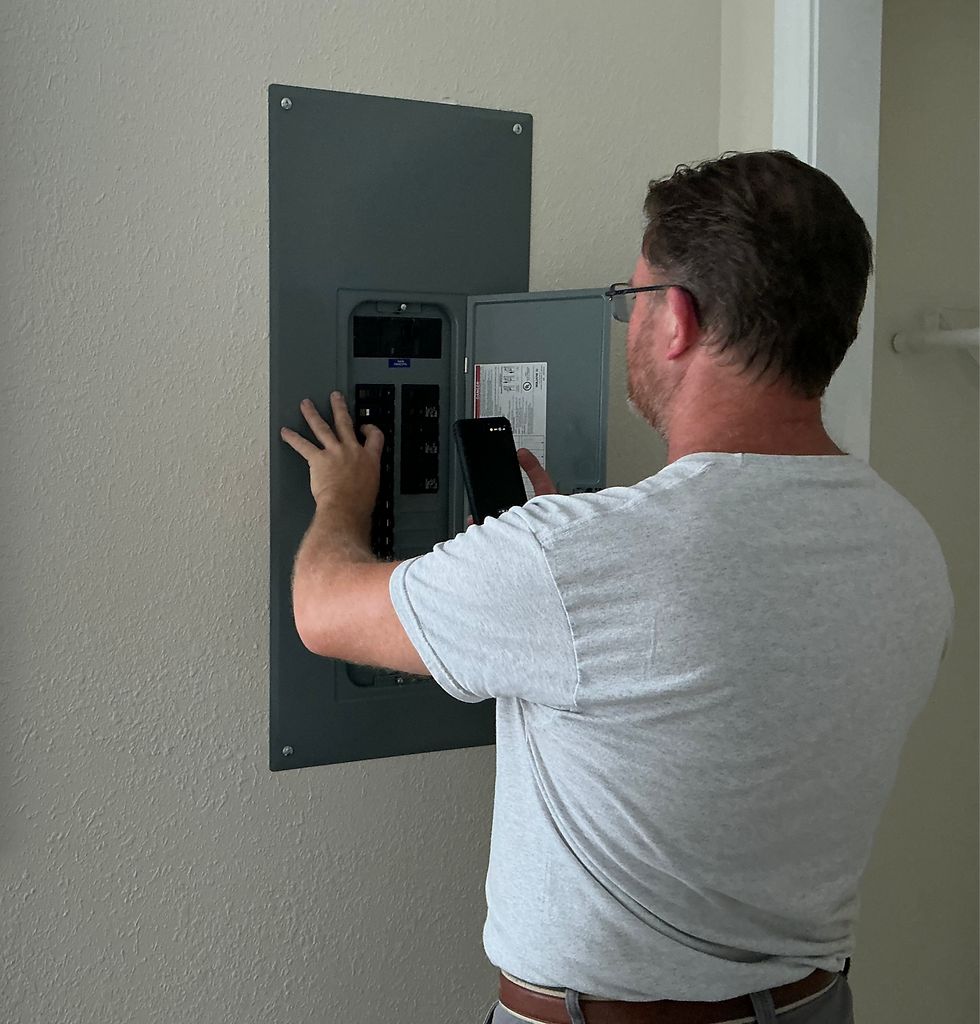
GFCI breakers can be installed in the breaker box to protect full circuits.
A couple of places some don't realize should be installed at or be protected by are the dishwasher and the washing machine.
In summary, to ensure that circuit breakers and receptacles are working properly, homeowners and home inspectors should periodically cycle or test the electrical components for proper function. A recent update of the IRC requires specific GFCI and AFCI protection for 15- and 20-amp receptacles. Home inspectors should familiarize themselves with these new guidelines to ensure proper testing and inspection of GFCIs and AFCIs.
To find out if your GFCI plugs or circuits are working properly, check for a CPI home inspector in your local area.
Thank you to InterNACHI for references.


Comments